 AI Generated Image
The Bell Sounds and Silence in the Stone Streets of Sille Village
Click to enlarge
AI Generated Image
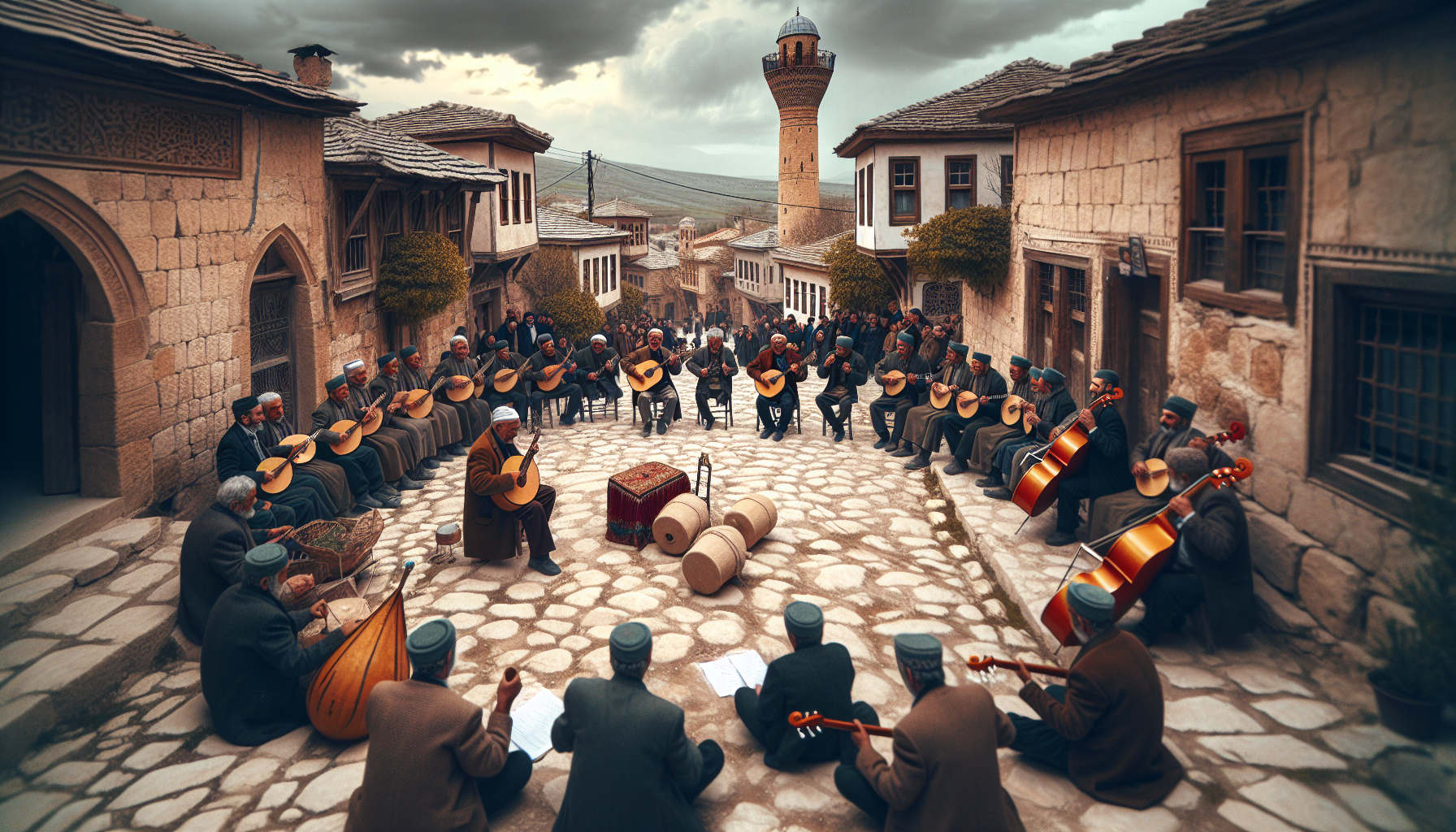
Sille Village, located in the Selçuklu district of Konya, is famous for its stone streets and historical buildings. The bell sounds you can hear while wandering through the village evoke a sense of peace and traces of the past in this timeless place.
Sille Village is an integral part of Konya's historical and cultural heritage. This village, which has hosted various civilizations over the centuries, defies time with its stone streets and historical buildings. As you walk through the streets of Sille, the bell sounds emanating from behind the stone walls offer visitors a mystical atmosphere.
The bell sounds are like an echo from the remnants of the old churches in the village. These sounds not only remind the rich history of the village but also symbolize the deep connection of the people living here with their past. The sound of the bells offers a peaceful experience, away from the hustle and bustle of daily life.
The silence in Sille gains even more meaning when the bell sounds resonate. This silence encourages visitors to reflect and integrates them with the spirit of the village. Walking through the stone streets of Sille, listening to the bell sounds, and getting lost in the depth of silence provides an unforgettable experience.
The bell sounds are like an echo from the remnants of the old churches in the village. These sounds not only remind the rich history of the village but also symbolize the deep connection of the people living here with their past. The sound of the bells offers a peaceful experience, away from the hustle and bustle of daily life.
The silence in Sille gains even more meaning when the bell sounds resonate. This silence encourages visitors to reflect and integrates them with the spirit of the village. Walking through the stone streets of Sille, listening to the bell sounds, and getting lost in the depth of silence provides an unforgettable experience.
Sille Köyü
çan sesleri
tarih