 AI Generated Image
The Carved Texture of Seljuk Era Inscriptions and Stone Tablets
Click to enlarge
AI Generated Image
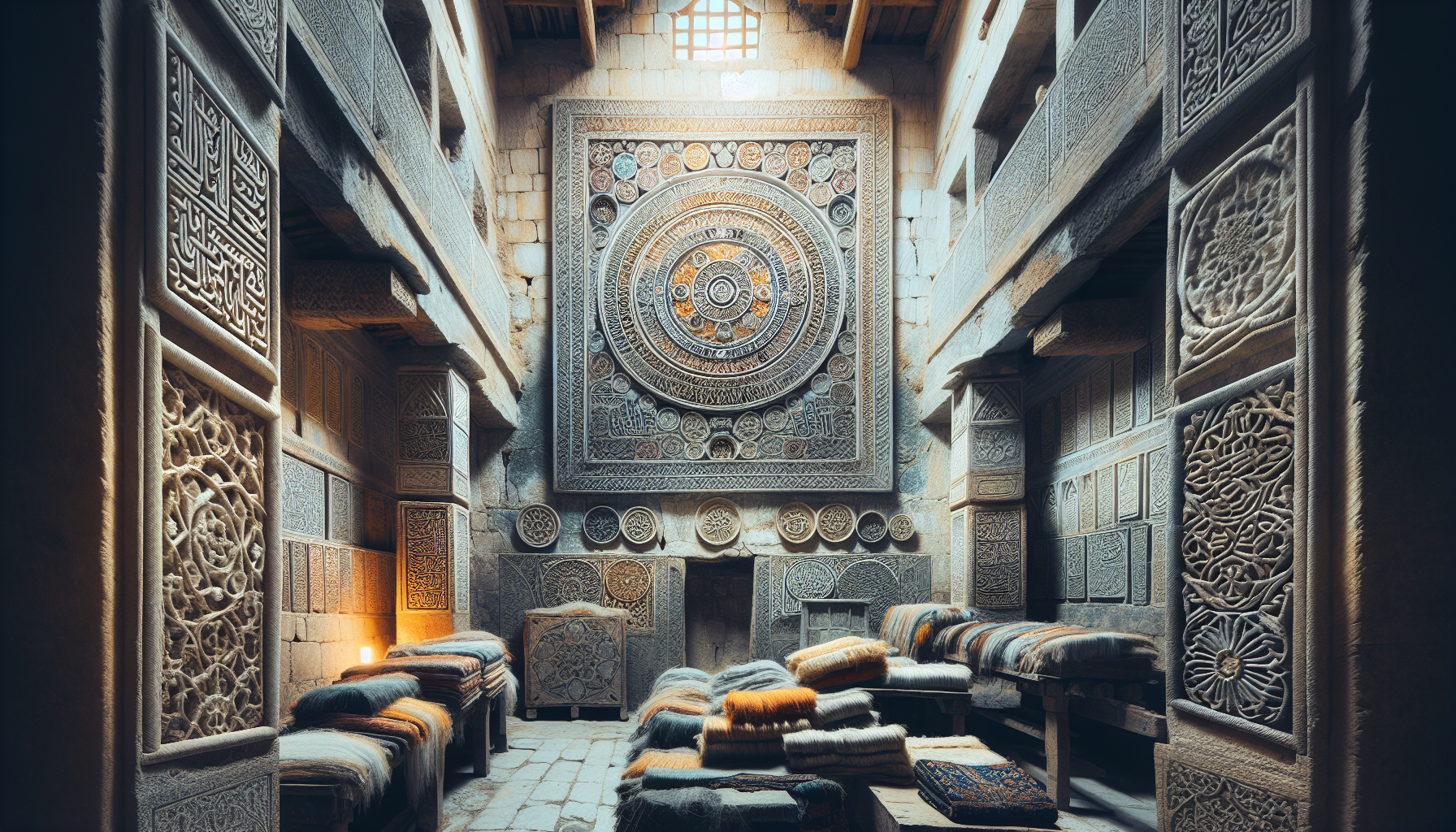
The Seljuk era presents a unique aesthetic with its stone craftsmanship and inscriptions. These works reflect the rich cultural heritage of the period through fine carving techniques.
The Seljuk era brought many innovations in architecture and art. Stone craftsmanship, in particular, is one of the most distinctive features of this period. Stone inscriptions and tablets reveal the artistic understanding and writing culture of the era. Each tablet is akin to a work of art, with finely crafted details and the intricacies of carving art. These stones hold great importance not only as decorative elements but also as historical documents.
These inscriptions are often found in significant Seljuk architectural structures, mosques, madrasas, and tombs. The writings on them provide clues about the religious, political, and social life of the time. The readability and durability of the script carved into the stone demonstrate the craftsmanship of the artisans of that era.
The motifs used in Seljuk stone craftsmanship are often enriched with geometric patterns and floral decorations. These patterns were shaped by the influence of Islamic art and eventually formed a unique Seljuk style. The texture of the inscriptions offers visitors a chance to touch the depths of history.
These inscriptions are often found in significant Seljuk architectural structures, mosques, madrasas, and tombs. The writings on them provide clues about the religious, political, and social life of the time. The readability and durability of the script carved into the stone demonstrate the craftsmanship of the artisans of that era.
The motifs used in Seljuk stone craftsmanship are often enriched with geometric patterns and floral decorations. These patterns were shaped by the influence of Islamic art and eventually formed a unique Seljuk style. The texture of the inscriptions offers visitors a chance to touch the depths of history.
Selçuklu
Taş Oyma
Kitabe
Tarihi